
Top Engineering Project Management Tools for Streamlined Engineering Workflow Tools

Managing engineering projects can feel like juggling flaming torches while riding a unicycle. Complex timelines, multiple teams, and technical details all demand your attention. But what if you had a toolkit designed to tame that chaos? Over the years, I’ve seen how the right engineering workflow tools can transform a project from a stressful scramble into a smooth, coordinated dance. Let’s dive into the top engineering project management tools that can help small and medium businesses in the energy and industrial sectors grow faster and operate smarter.
Why Engineering Workflow Tools Matter
Imagine trying to build a complex machine without a blueprint or a way to track parts. That’s what managing projects without the right tools feels like. Engineering workflow tools provide that blueprint and tracking system. They help you:
Organize tasks and deadlines
Collaborate across teams and departments
Monitor progress in real time
Manage resources efficiently
Keep documentation and communication centralized
For businesses in energy and industrial sectors, where precision and timing are everything, these tools are not just helpful—they’re essential. They reduce errors, prevent costly delays, and keep everyone on the same page.

Top Engineering Workflow Tools to Consider
There’s no one-size-fits-all solution. The best tool depends on your project size, team structure, and specific needs. But here are some standout options that have proven their worth in engineering environments:
1. Task and Project Scheduling Tools
Tools like Gantt charts and Kanban boards are staples. They visualize your project timeline and task dependencies clearly.
Gantt charts help you see the entire project schedule at a glance. You can spot bottlenecks before they become problems.
Kanban boards offer a flexible way to track tasks as they move through stages like design, review, and testing.
2. Collaboration Platforms
Engineering projects often involve multiple teams—designers, engineers, suppliers, and clients. Collaboration platforms centralize communication and file sharing.
Real-time chat and video calls keep everyone connected.
Shared document repositories ensure the latest specs and drawings are always accessible.
Version control prevents confusion over which document is current.
3. Resource Management Tools
Managing materials, equipment, and personnel is critical. Resource management tools help allocate these assets efficiently.
Track inventory levels and reorder points.
Schedule equipment usage to avoid conflicts.
Monitor team workloads to prevent burnout.
4. Risk and Quality Management
Engineering projects carry risks—technical failures, safety issues, compliance challenges. Tools that integrate risk assessment and quality control help you stay ahead.
Identify potential risks early.
Document quality checks and audits.
Generate reports for regulatory compliance.
5. Reporting and Analytics
Data-driven decisions are the backbone of successful projects. Reporting tools provide insights into project health, budget status, and team performance.
Customizable dashboards highlight key metrics.
Automated alerts notify you of delays or budget overruns.
Historical data helps improve future project planning.
What is the best PMO tool?
When it comes to Project Management Office (PMO) tools, the best choice is one that aligns with your organizational goals and project complexity. A PMO tool should provide:
Standardization: Consistent processes and templates across projects.
Visibility: Real-time tracking of all projects under the PMO.
Governance: Compliance with industry standards and internal policies.
Resource Optimization: Efficient allocation across multiple projects.
Many PMO tools combine these features with customizable workflows tailored to engineering projects. The key is to select a tool that integrates well with your existing systems and scales as your business grows.
How to Choose the Right Engineering Project Management Software
Choosing the right software can feel overwhelming. Here’s a simple approach I recommend:
Identify Your Needs
List your must-have features. Do you need strong scheduling? Collaboration? Resource tracking?
Consider Integration
Your tool should work seamlessly with other software you use, like CAD programs or ERP systems.
Evaluate Usability
A tool is only as good as its adoption. Choose one with an intuitive interface and good support.
Check Scalability
Will the tool grow with your business? Avoid solutions that will box you in as projects get bigger.
Test Before Committing
Use free trials or demos to see how the tool fits your workflow.
By following these steps, you’ll avoid costly mistakes and find a tool that truly supports your engineering projects.
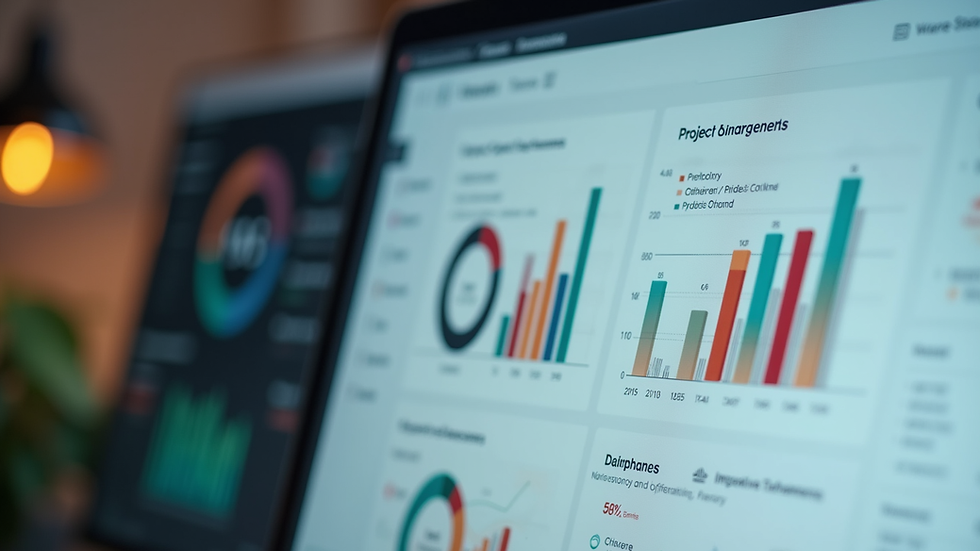
Making the Most of Your Engineering Project Management Tools
Having the right tools is just the start. To really benefit, you need to embed them into your daily routines:
Train your team thoroughly so everyone knows how to use the tools effectively.
Set clear processes for updating tasks, reporting issues, and sharing documents.
Regularly review project data to catch problems early.
Encourage open communication through the platform to break down silos.
Continuously improve your workflows based on feedback and analytics.
Remember, tools are enablers, not magic bullets. The real power comes from how you use them to foster collaboration, transparency, and accountability.
Why Integrated Solutions Matter for Energy and Industrial Sectors
In sectors like energy and industrial manufacturing, projects often span multiple disciplines and locations. Integrated engineering project management software can unify these elements into a single platform. This integration:
Reduces data duplication and errors
Speeds up decision-making with real-time insights
Enhances customer engagement by providing clear project visibility
Streamlines product distribution alongside project execution
By choosing integrated solutions, businesses can operate smarter and respond faster to market demands.
If you’re looking to streamline your projects and customer engagement through integrated engineering, product distribution, and software solutions, exploring the right engineering project management software is a game-changer. It’s not just about managing tasks—it’s about transforming how your business grows and delivers value.
Ready to take your engineering projects to the next level? The right tools are waiting to help you build smarter, faster, and better.


Comments